
ELENA BALTACHA’S SPIRIT AND LEGACY LIVES ON, STRONGER THAN EVER
Posted 6th Apr
News and
Stories by Nino Severino
Across school halls, tennis courts, and community sports fields throughout the UK, the impact of the Elena Baltacha Foundation
has become something more enduring than a program or initiative. It has become a living continuation of a spirit, one rooted
in kindness, resilience, and an unwavering belief that sport can change lives.
Years on from its founding and following the passing of its inspiration, Elena Baltacha, the Foundation continues to
stand as a quiet but powerful testament to what she valued most: connection,
courage, and community.
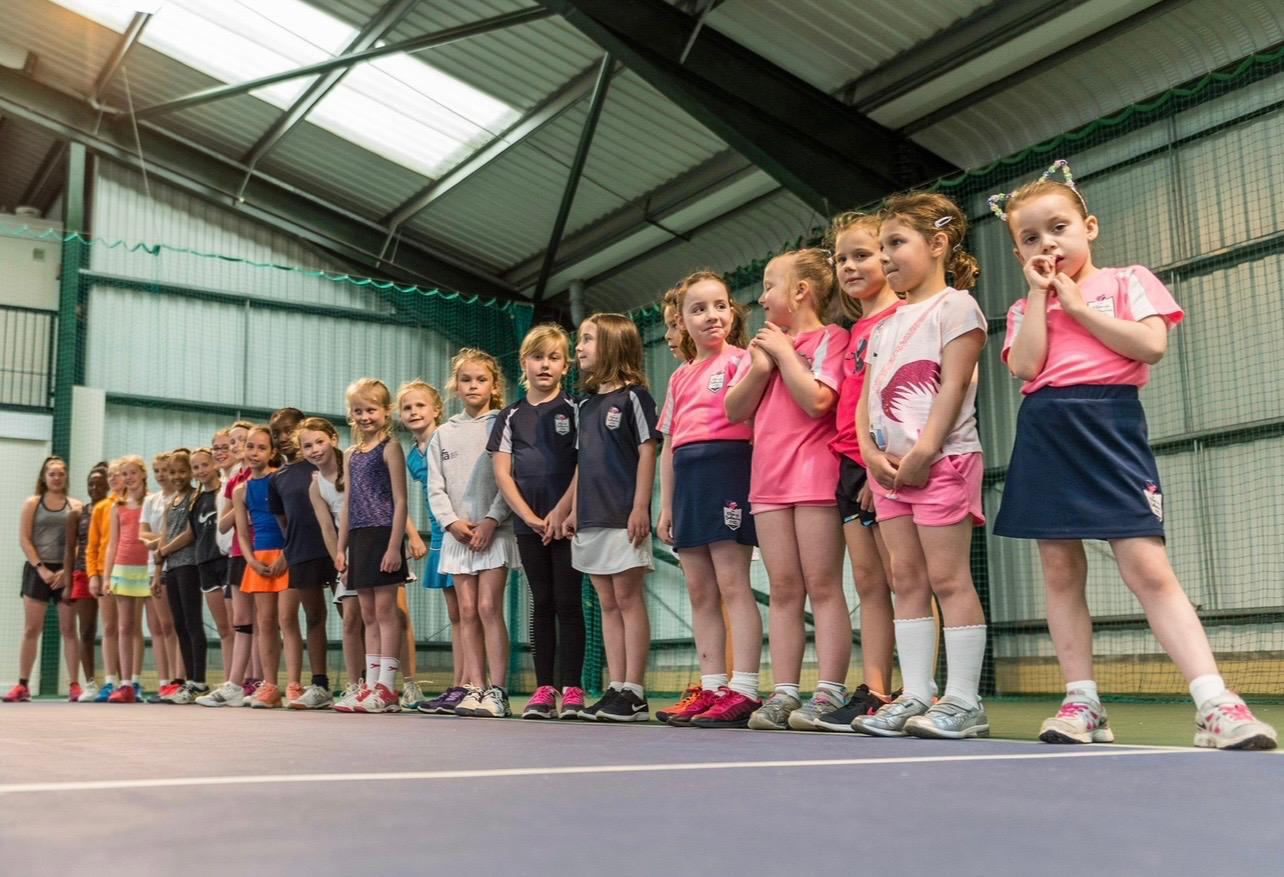
What began as a vision to widen access to tennis and physical activity for young people who might otherwise never experience it has grown into something far more layered. It is not simply about introducing children to sport but about building environments where they feel seen, supported, and part of something bigger than themselves. Across participating schools, pupils are not just taught how to play; they are taught how to belong.
At the heart of the Foundation’s work is a simple but profound idea: that shared experience builds confidence. Whether it is a first time holding a racket or stepping onto a court in front of peers, these moments become milestones. Over time, they accumulate into something deeper, self-belief. Teachers and coaches often describe how children who were once hesitant or withdrawn begin to find their voice through movement, teamwork, and encouragement from their peers.
A defining feature of the Foundation’s journey has been its ability to bring pupils together through a strong sense of community focus. Schools involved in the programme often speak of how the sessions transcend sport itself. Children from different backgrounds, abilities, and confidence levels come together in shared activity, learning not only technical skills but also empathy, patience, and mutual respect. In many ways, the court becomes a meeting place where barriers quietly dissolve.
That sense of unity was something Elena herself deeply believed in. She understood that sport was never just about winning or performance; it was about connection. Those who knew her often reflect on her warmth, her humility, and her ability to make people feel included regardless of their ability or background. It is that ethos that continues to shape every session delivered under the Foundation’s name.
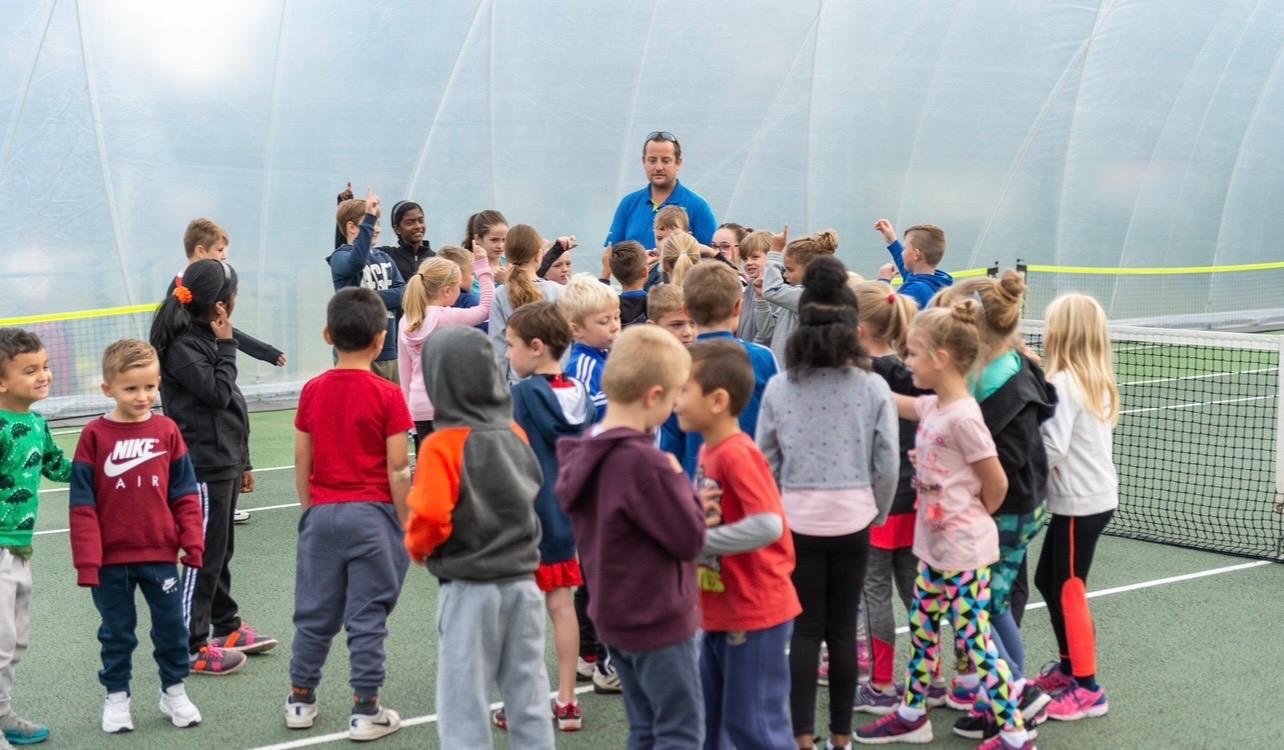
One of the most powerful elements that has emerged over the years is the continuity of relationships. The Foundation does not simply engage children for a term or a season and then step away. Instead, it builds lasting pathways. Coaches, schools, and families remain connected over time, and in many cases, pupils who first picked up a racket through the programme later return as mentors, volunteers, or ambassadors.
This “Giving Back” journey has become one of the most meaningful aspects of the foundation's legacy. Former participants, now older and more confident, return to the very programmes that once introduced them to sport. They come back not as beneficiaries, but as contributors, helping to guide younger pupils, sharing their experiences, and reinforcing the idea that growth is something to be passed on. It is in these moments that the true cycle of impact becomes visible.
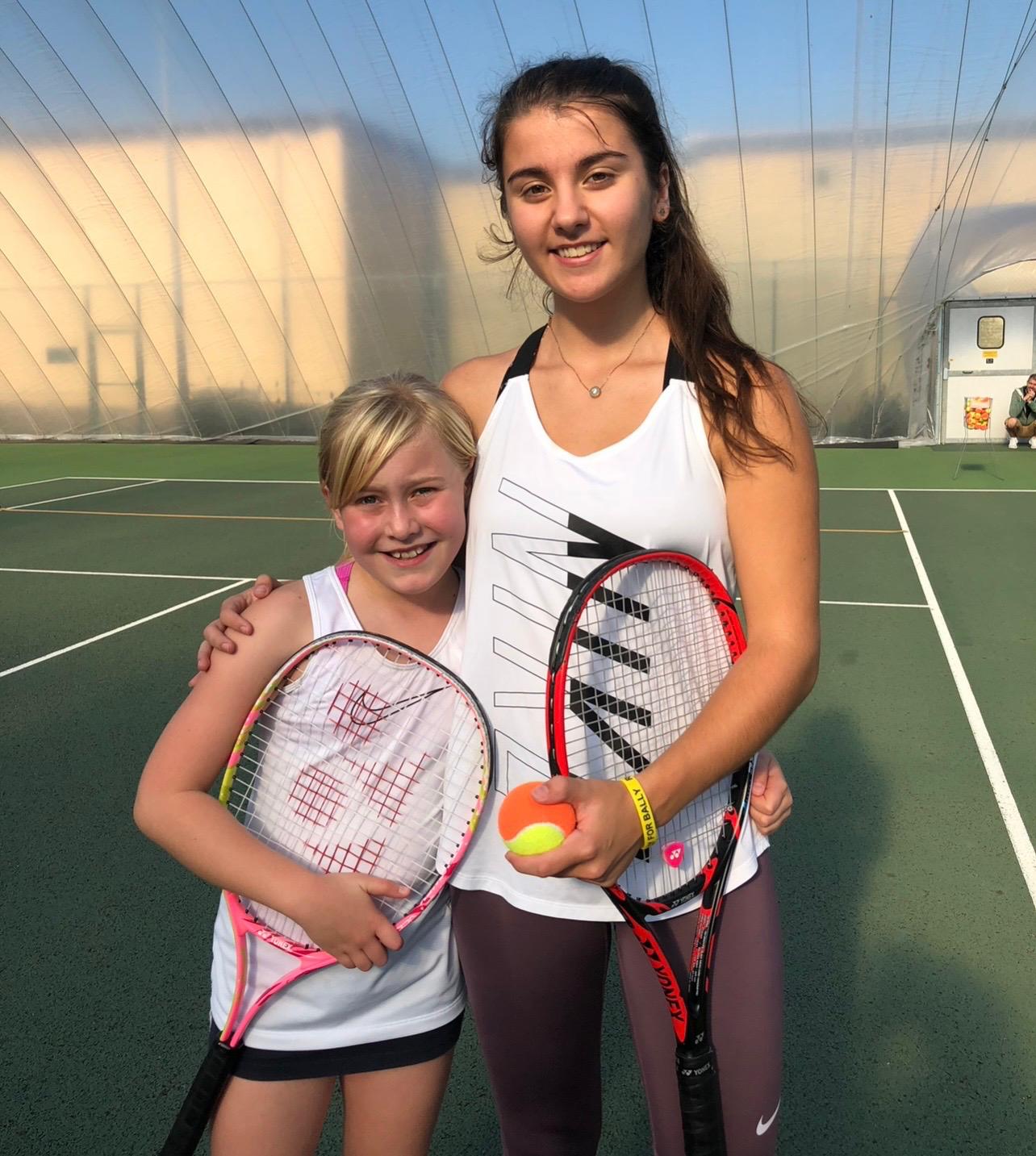
There is something profoundly moving about watching a young person who once struggled with confidence now encouraging someone else through the same first steps they once took. It reflects a culture that is not imposed but cultivated, a culture of generosity, patience, and shared progress. It is also a reflection of Elena’s enduring influence, where leadership was always defined by encouragement rather than expectation.
Camaraderie plays a central role in all of this. It is not treated as a by-product of the Foundation’s work, but as one of
its core outcomes. Children learn quickly that success is not only measured individually but also collectively. Wins are celebrated together,
losses are processed together, and progress is always shared. That sense of
togetherness often extends far beyond the court, shaping friendships and social
bonds that continue within school life and beyond.

It is this environment, supportive, inclusive, and emotionally intelligent, that has allowed the Foundation to make a lasting imprint. Teachers frequently note changes not only in physical activity levels but also in behavior, confidence, and engagement across academic settings. The ripple effect of feeling included in sport often extends into the classroom, where pupils carry that same sense of belonging into their learning.
Parents, too, have become an essential part of this journey. The Foundation has always recognised that
lasting impact cannot be achieved without family engagement. From the earliest
stages, close relationships are built with parents and carers, ensuring they
feel informed, involved, and supported. This connection creates a shared
understanding of each child’s progress, both on and off the court.
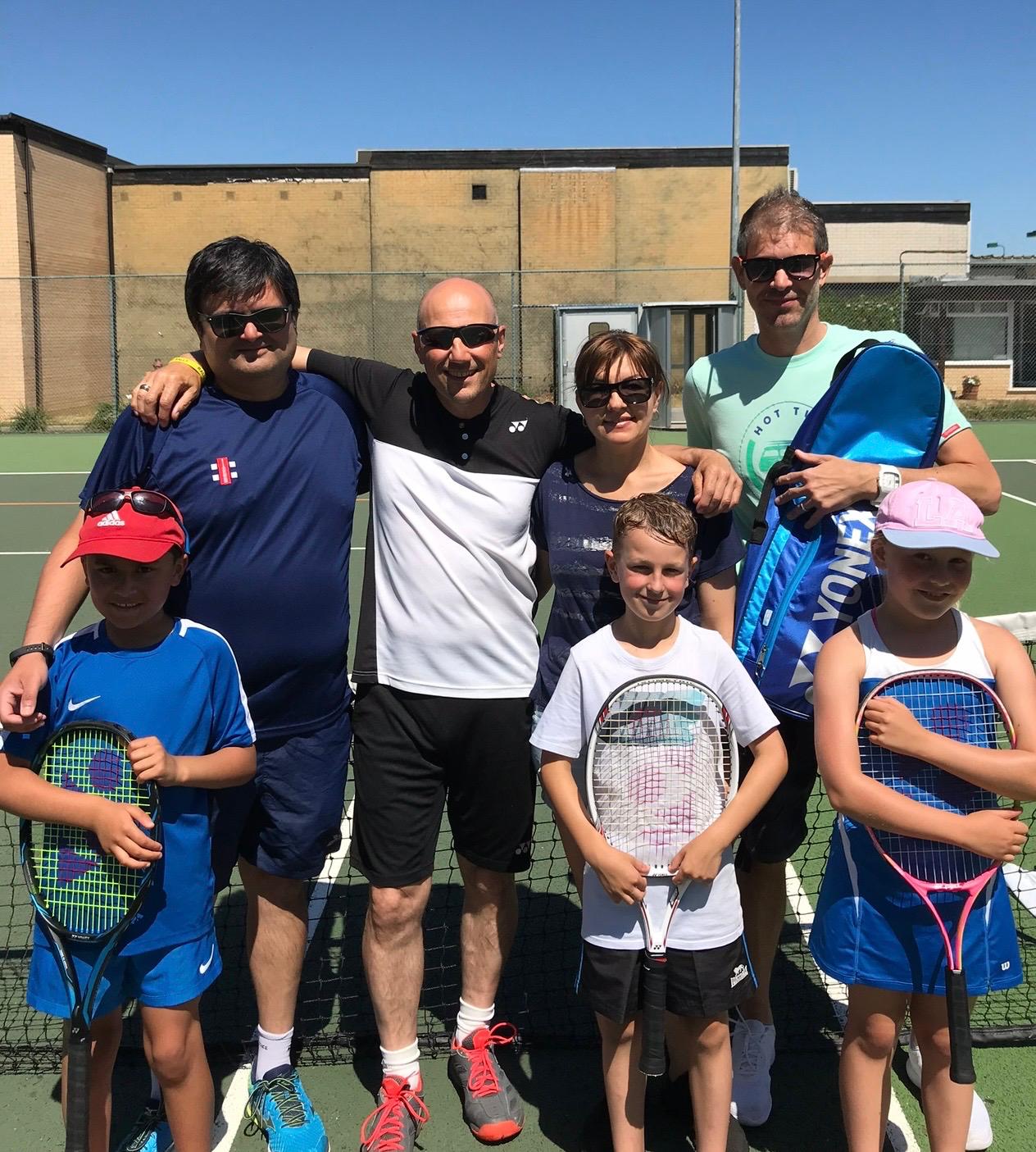
Many parents speak of the reassurance they feel knowing their children are part of something positive, structured, and nurturing. For some families, the foundation has provided a rare consistent space where their children can grow in confidence and be celebrated for effort rather than outcome. The communication between coaches and parents fosters trust, and over time, that trust becomes a cornerstone of the programme’s success.
There is also a recognition
that support extends beyond sport. The Foundation’s approach acknowledges the
wider needs of young people: emotional well-being, social development, and
personal growth. By embedding care and attentiveness into every interaction, it
creates an environment where children feel safe to try, to fail, and to try
again.
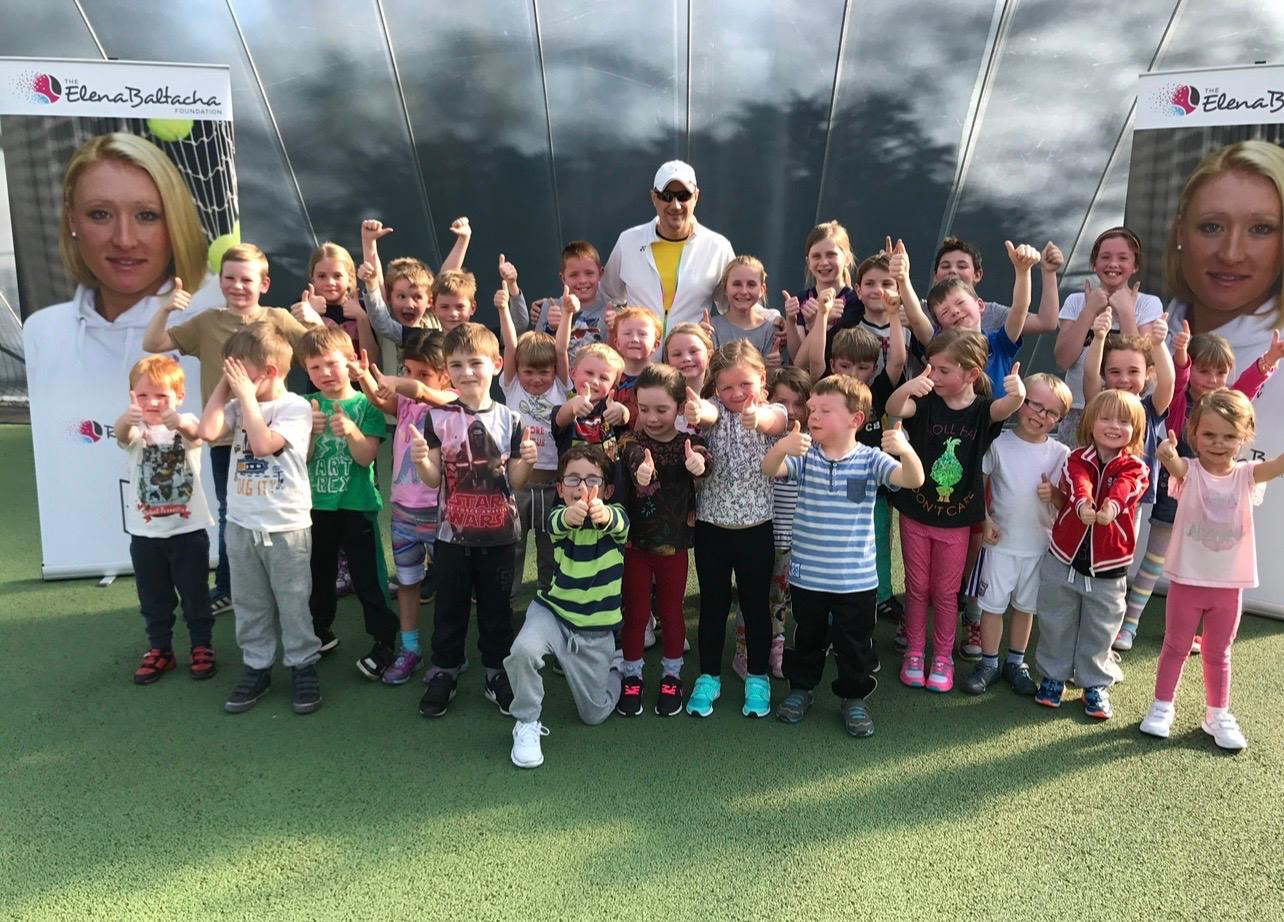
As the Foundation has evolved, so too has its ambition. Looking ahead, there is a clear commitment to expanding its reach across a wider network of schools and communities. The aspiration is not simply to grow in size, but to deepen impact, ensuring that every new partnership maintains the same level of care, connection, and quality that has defined the organisation from the beginning.
Future plans focus on strengthening the “Giving Back” pathway even further, creating more structured
opportunities for older participants to remain involved. By formalising these
routes, the foundation hopes to build a sustainable cycle of mentorship, where
every generation supports the next. In doing so, it reinforces the belief that
the influence of a single positive experience can echo across years.
.jpeg)
There is also a continued focus on ensuring Elena’s values remain present in every aspect of delivery. Her legacy is not treated as a historical reference, but as an active guiding principle. The emphasis on kindness, humility, and inclusivity is not symbolic, it is operational. It shapes how coaches are trained, how sessions are delivered, and how success is defined.
Even in moments of reflection, there is a sense that Elena’s presence is still felt. Not in
absence, but in continuation. In the laughter of children discovering sport for
the first time. In the encouragement shouted across a court. In the quiet pride
of a parent watching their child grow in confidence. These are the moments
where legacy becomes real, not as memory, but as lived experience.
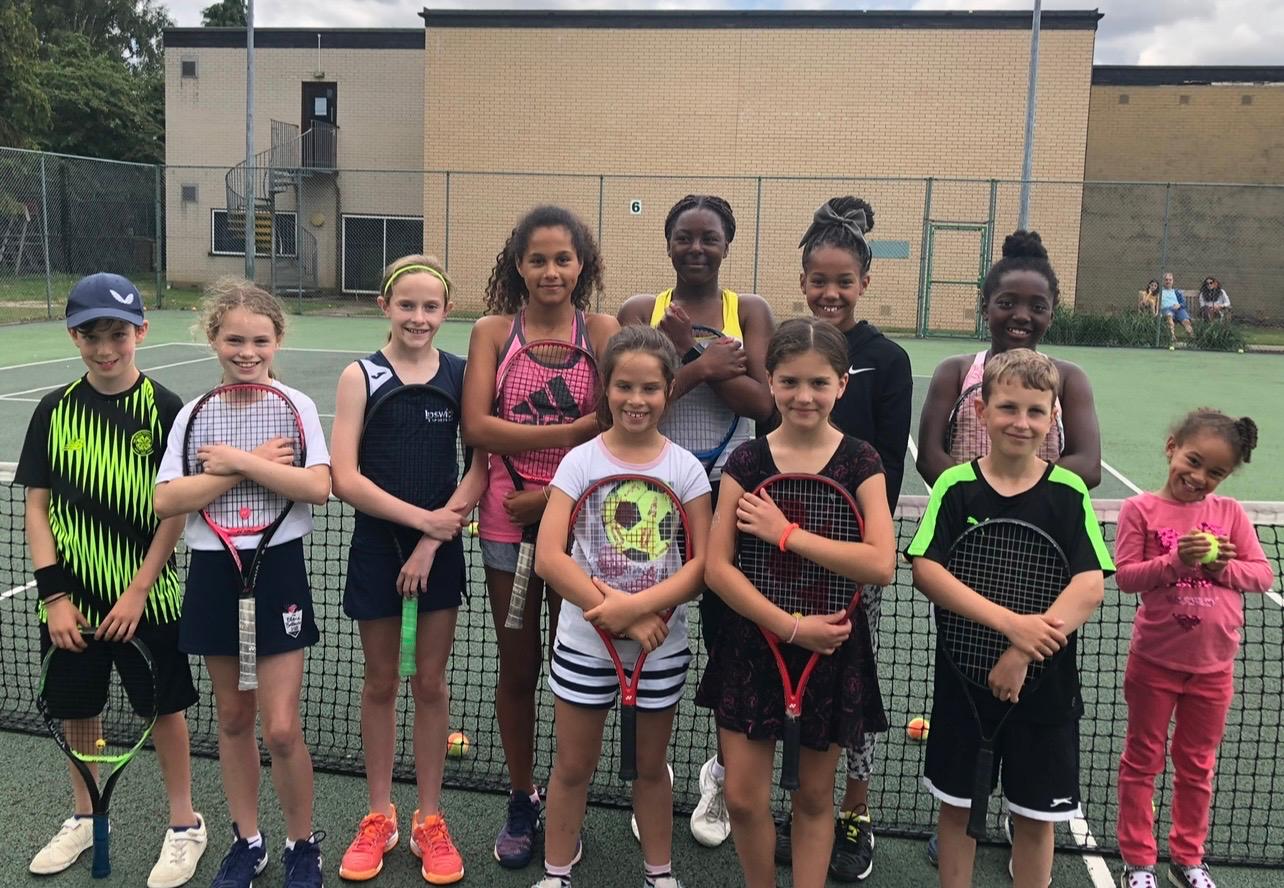
The foundation's story is ultimately not one of scale or statistics, but of people. Of children who found confidence where they once felt uncertainty. Of schools that became communities. Of families who found support and connection. And of young people who returned, years later, to give something back to the same spaces that once gave to them.
In every session delivered,
every relationship built, and every child encouraged, there is a continuation
of something deeply human. It is the belief that sport can do more than develop
skill; it can shape character. It can bring people together. And it can create
a sense of belonging that lasts far beyond the boundaries of the game.
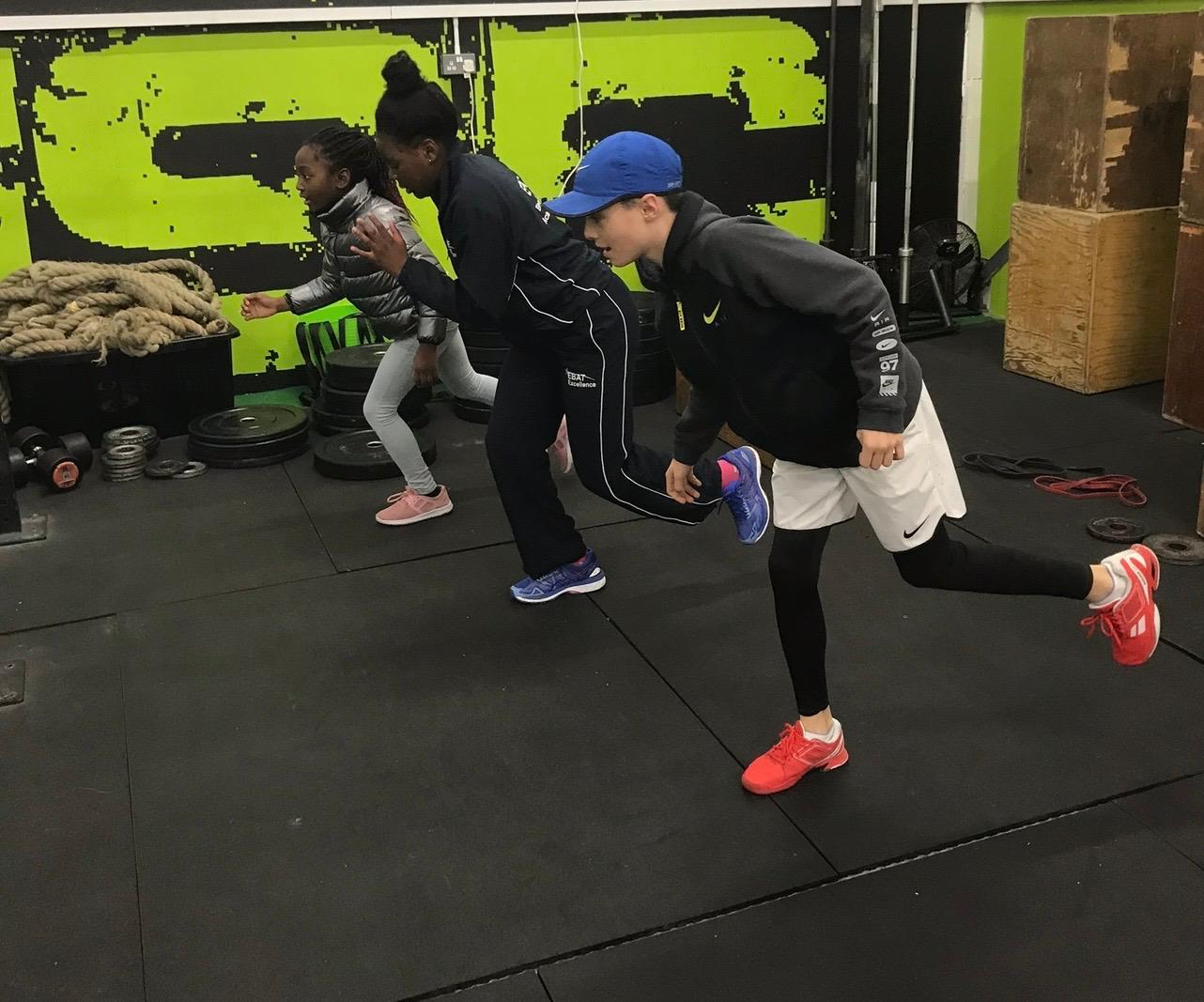
The Elena Baltacha Foundation standstoday as both an achievement and a promise. An achievement in the lives already touched, and a promise in the lives yet to come. And through it all, Elena’s spirit remains present, not as something distant, but as something lived, shared, and carried forward by every child who steps onto a court believing they belong.